In Mindfulness-Integrated CBT for Well-being and Personal Growth, Bruno Cayou outlines a simple but powerful idea: we suffer not just because of what we experience, but because we identify with those experiences as who we are.
We see this insight especially vividly in contemporary pop culture characters, many of whom struggle to “become someone”. Let’s briefly explore this through three examples:
- Jason Asano from He Who Fights with Monsters by Shirtaloon, aka Travis Deverell (a LitRPG fantasy series about suddenly finding yourself in a magical world)
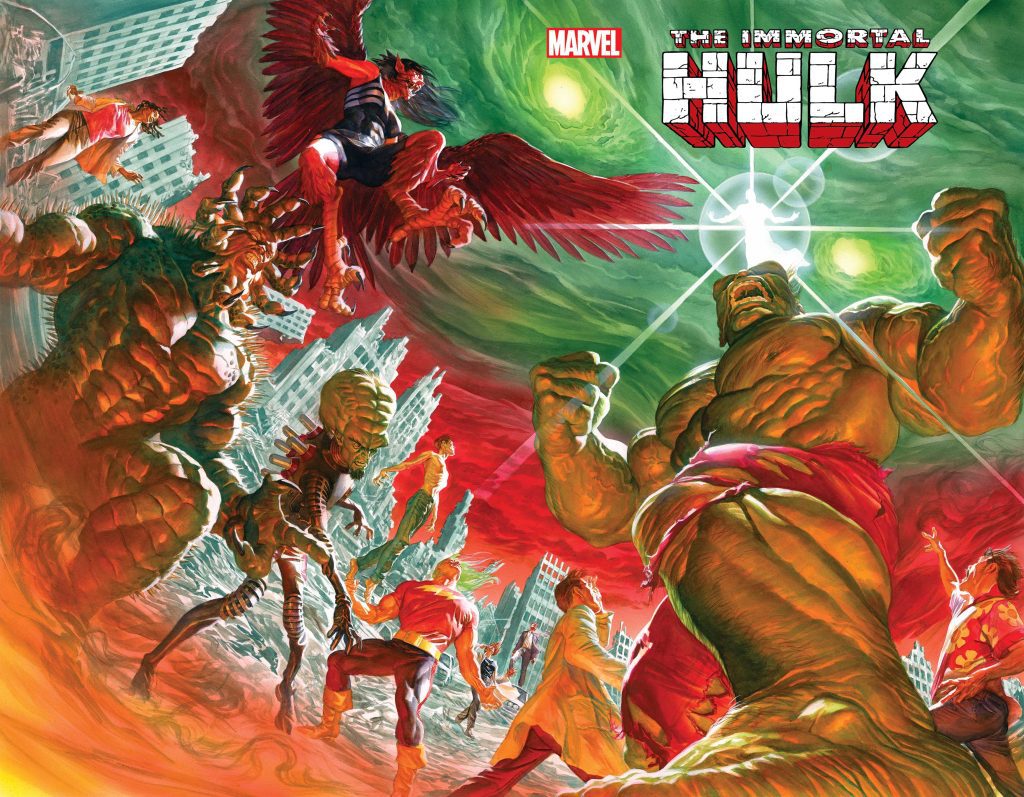
- Immortal Hulk by Al Ewing (a darker reimagining of the Hulk comic book character focused on trauma and identity)
- Midnight Mass by Mike Flanagan, particularly Rily Fynn and Father Paul (a horror-drama miniseries exploring faith, guilt, and belief).
Identity as Experience and Mistaken Identity.
Cayoun suggests that internal experience, thoughts, emotions, and sensations are often mistaken for the self.
- Anger becomes “I am angry”,
- Guilt becomes “I am guilty”,
- Fear becomes “this is who I am”.
This tendency to equate thoughts, emotions, and sensations with the self is the mechanism of identification, and it maintains suffering.
Cultural Studies theorists like Stuart Hall have long argued something similar concerning the formation and maintenance of identity. Hall, for instance, describes identity as not being fixed, but as a process of ‘becoming’. Michel Foucault also shows how identities are shaped through discourse and social roles, while Roland Barthes argues that cultural meanings can easily become normalised myths. Mindfulness-integrated Cognitive Behavioural Therapy (MiCBT) adds a crucial layer: even if identity is constructed, we still suffer when we believe it is who we are.
Jason Assano: The Anxiety of Becoming
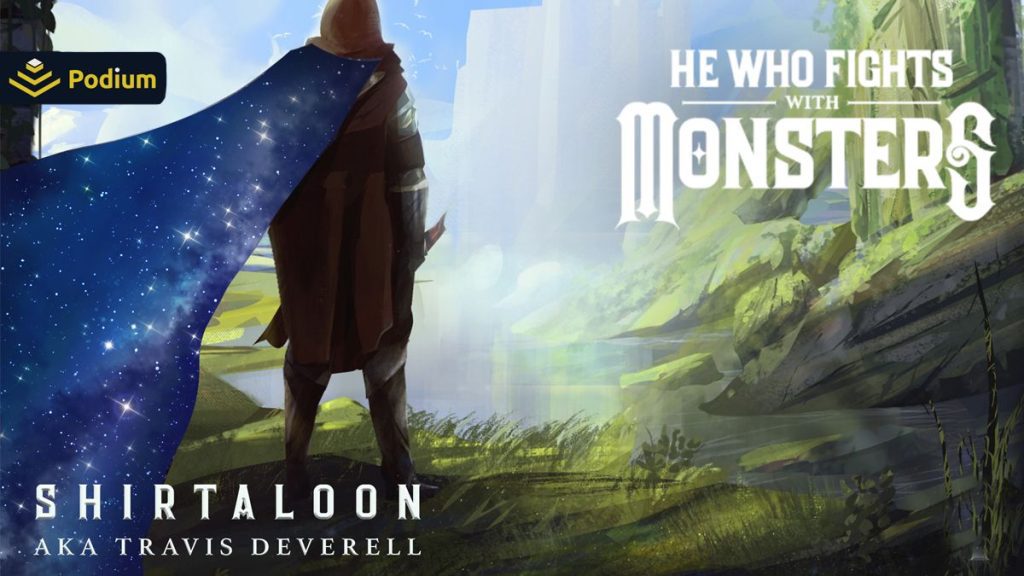
Jason Asano’s central question is: “What am I becoming?”
As he gains power, he experiences violence, fear and moral ambiguity. However, rather than seeing these as situational experiences, he interprets them as signs of identity. That is, “I am becoming something dark”, or “I must remain a good person”.
This process of turning an emotional experience into one’s identity creates an escalating loop in which experience forms identity, leading to resistance and then suffering.
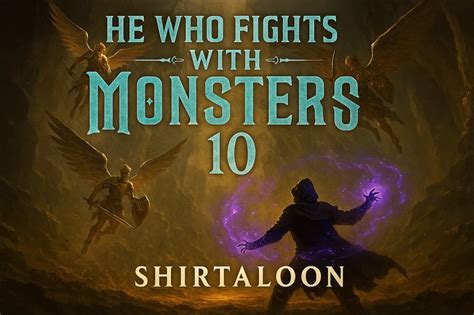
Jason embodies what Hall might call identity in flux, but he struggles to stabilise it. From Cayoun’s perspective, his suffering comes not from his actions, but from turning them into a fixed sense of self.
Immortal Hulk: Fragmented Selves
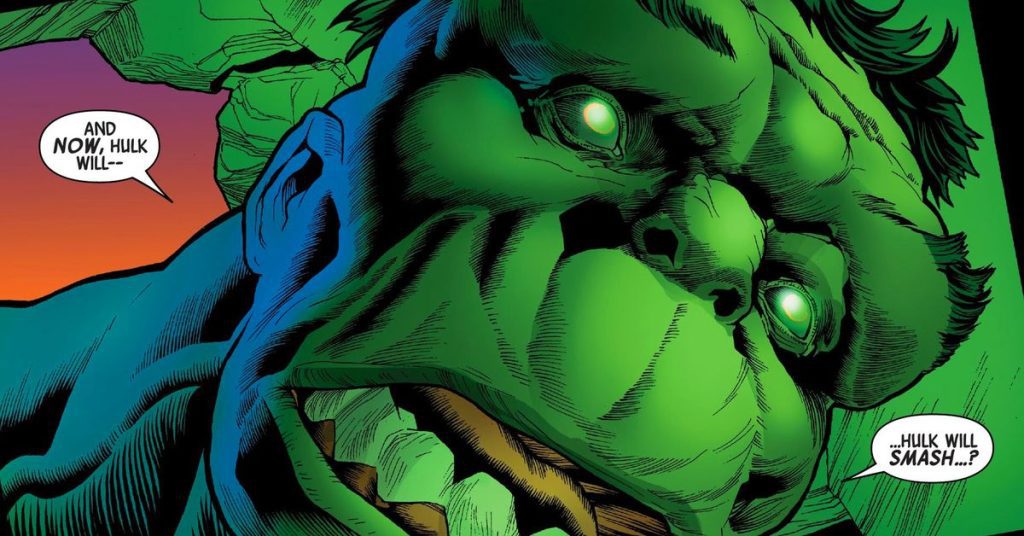
In Immortal Hulk, Bruce Banner’s internal experiences of rage, trauma and fear are split into multiple identities: Banner, Hulk, Devil Hulk.
Rather than recognising these as conditioned responses, they are treated as separate “selves’. The result is fragmentation:
- Rages becomes “the monster”
- Fear becomes something to suppress,
- Identity becomes something to hear.
Here, Foucault’s idea of the “subject” is useful: Banner is shaped by narratives of monstrosity and control. Barthes would call “the Hulk’ a myth, yet Banner experiences it as reality.
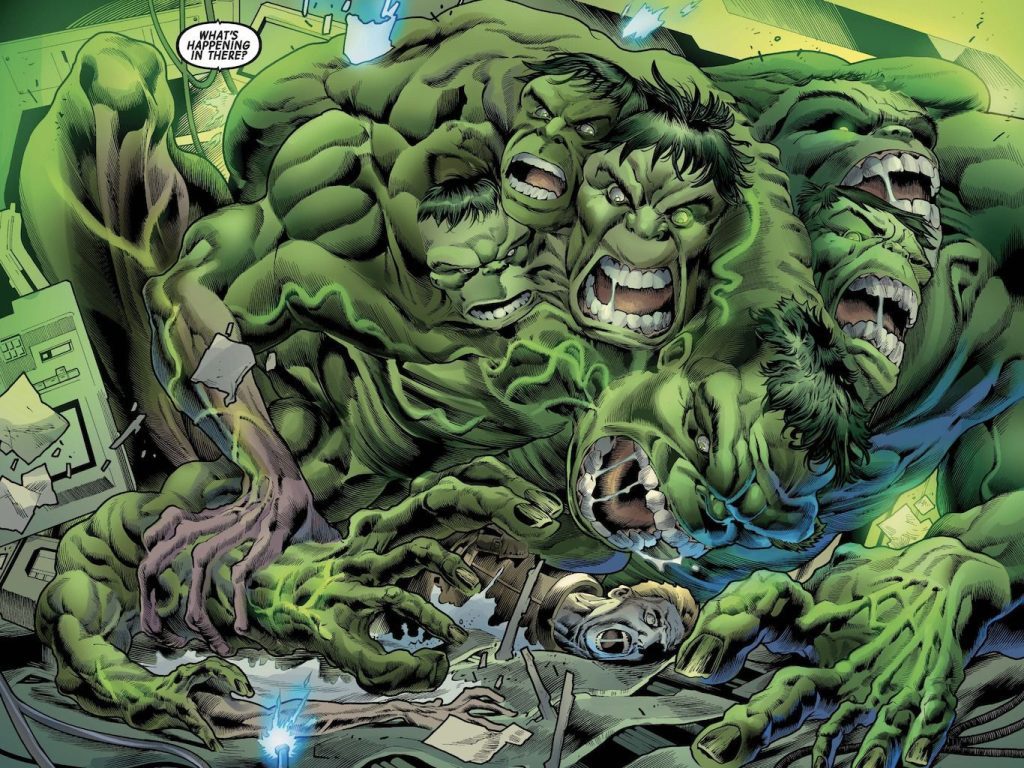
From a MiCBT lens, the core issue is simple: “rage is not the problem, identifying with rage as self is.
Midnight Mass: Guilt vs Certainty.
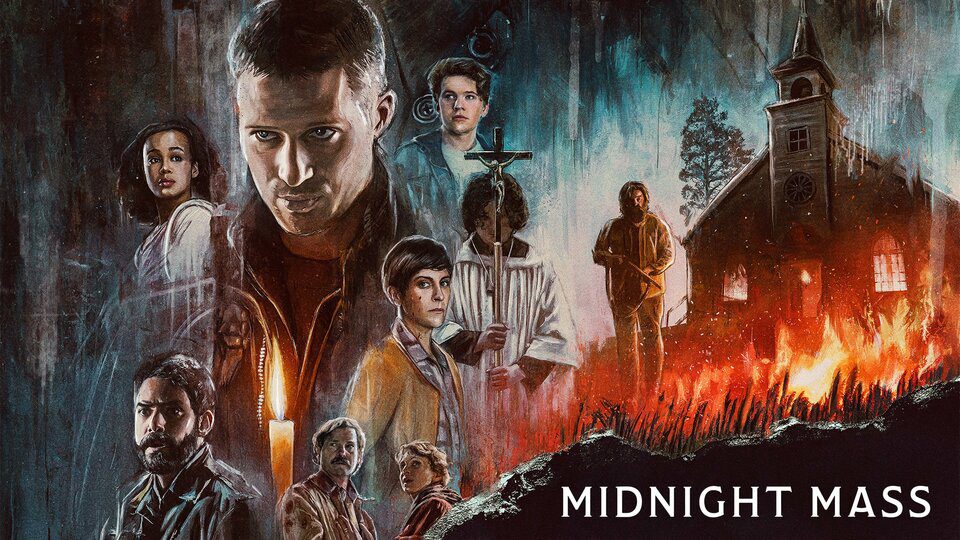
In Midnight Mass, we see two opposing identity traps.
Riley Flynn experiences guilt after a fatal accident. That guilt becomes identity, he believes “I am the one who did this”, and then, “I am irredeemable”. He cannot separate experience from self.
Father Paul, by contrast, identifies with belief; he would claim that his experiences are divine and that he is chosen.
Where Riley is trapped in guilt, Father Paul is trapped in certainty. Both are forms of identification one with suffering, one with meaning.
Both illustrate Cayoun’s point: identification sustains suffering, whether through self-condemnation or self-justification.
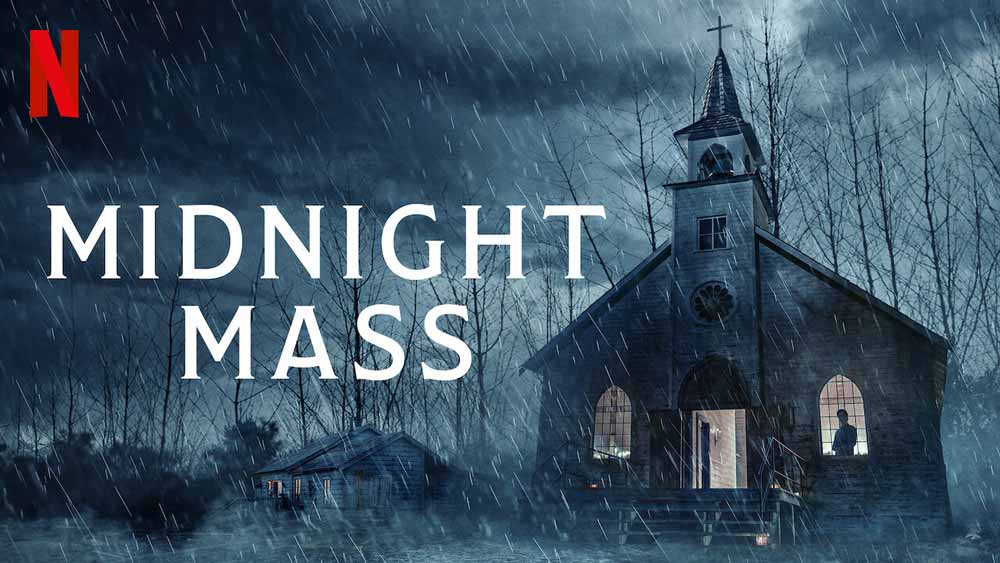
A Shared Pattern.
Across all three:
- Jason > “I am becoming something”
- Hulk > “I am the monster”
- Riley > “I am guilty”
- Father Paul > “I am chosen”
The structure is the same: experience > identity > attachment > suffering.
Cultural Studies theories help us see that these identities are constructed. MiCBT helps us see why they hurt and lead to suffering.
A Different Possibility.
What Cayoun points toward is not the elimination of experience, but a shift in relationship:
- not “I am this”.
- But “this is happening”.
In other words, you are not these identities you experience; you are experiencing identities forming.
For fictional characters, this tension drives narrative. For us, it may be the difference between being trapped in a story we’re telling ourselves or being told about ourselves, and stepping outside it.