We look at Steam’s winner-takes-most economy, books being bought as AI training material, Australia’s bizarre Halloween: The Game classification decision, and the unlikely resurrection of Coyote vs. Acme.
Watch/Listen Here:
Digital creative economies and attention
Behold, “the whole story of Steam’s economy in one picture”: the top 1% of games earn 84.5% of estimated revenue, and most games barely make anything
What do Baldur’s Gate players, Christopher Nolan and AI scammers all have in common? They all reveal something surprising about how people interact with technology.
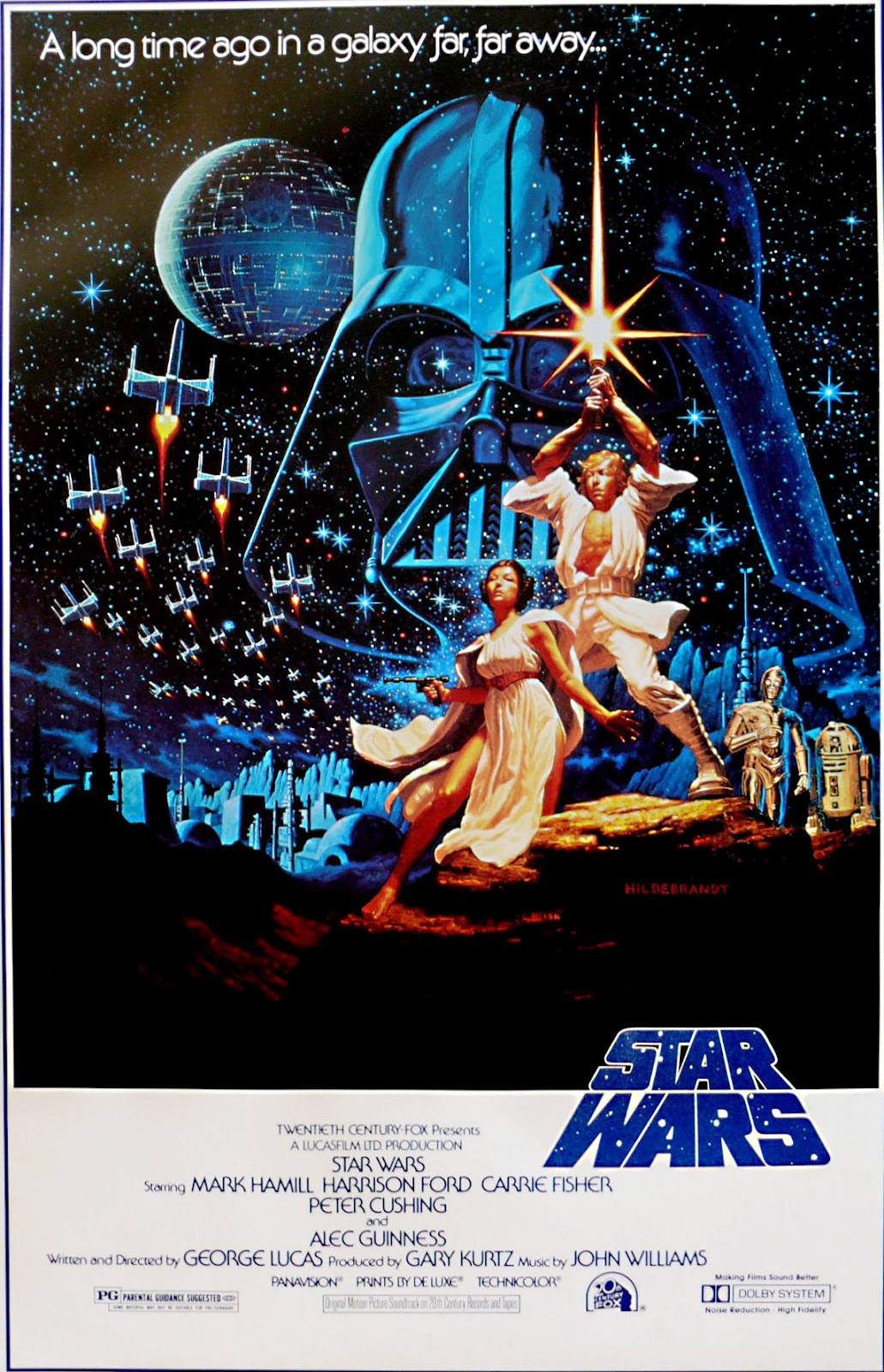
Star Wars: A New Hope Commentary with George Lucas, Carrie Fisher, Ben Burtt and more
George Lucas discusses how studios didn’t understand the film and forced the budget to be under $10 million. He keeps returning to the idea that the constraints produced better creative decisions. The limited budget, practical effects, unusual storytelling choices, and refusing to over-explain the world.
This central idea of Lucas’ provides an interesting link to the four news stories discussed in this episode, each deals with the tension between creative intent, technology and corporate control.
Quote 1 — “Episode IV wasn’t allowed”
0:45–1:15
George Lucas explains that Fox refused to let him call the film Episode IV because audiences would be confused. Only after it became successful could he restore his original vision.
Questions:
Who controls a creative work?
The studio?
The creator?
The audience?
Quote 2 — The original trilogy began as one enormous story
2:20–3:55
Lucas explains he wrote a 200-page screenplay, realised it was impossible to film, and instead turned only the first act into a movie while planning the rest for later.
Quote 3 — The “used universe”
4:00–5:00
Ben Burtt explains Lucas wanted everything to sound real—rusty doors, worn-out engines, machines that backfired. He wanted a “used universe.”
Questions:
Why do practical imperfections make worlds believable?
Is digital entertainment becoming too clean?
Why do audiences still love tactile worlds?
Quote 4 — Following the least important characters
7:30–9:15
Lucas explains everyone told him following the droids was a terrible idea.
He ignored them.
He kept the structure anyway.
Question:
Would today’s major publisher approve something that unconventional?
Quote 5 — Don’t explain everything
9:20–10:05
Lucas discusses Kurosawa and says he hates films that stop to explain how everything works.
The audience should simply enter the world.
Today we have
endless lore videos
companion apps
wiki pages
cinematic universe explainers
Lucas wanted mystery.
Quote 6 — Everything nearly went wrong
10:20–12:10
The Tunisia shoot
robots didn’t work
weather destroyed sets
schedule problems
Lucas feared the movie was failing
Quote 7 — R2-D2’s voice
12:30–15:20
This is fantastic radio.
Ben Burtt explains
recording babies
using his own voice
re-recording sounds in bathrooms and hallways
“worldizing” audio
Quote 8 — Fast storytelling
20:20–21:30
Lucas explains audiences originally thought Star Wars moved incredibly fast because he deliberately refused to explain everything.
Quote 9 — Practical effects
28:00–29:00
Lucas explains the Bantha was literally an elephant in costume because digital effects didn’t exist.
Why do audiences still respond to practical effects?
Why are films like Dune and The Odyssey emphasising physical production?
Quote 10 — Science fiction before Star Wars
39:10–40:00
Lucas discusses how studios didn’t understand the film and forced the budget under $10 million.
From Hollywood’s renewed embrace of the theatrical experience to the ongoing battles over intellectual property, digital ownership, and physical media, we explore how creators, corporations, and audiences are shaping the next era of film and gaming.
Welcome to this week’s collection of articles, links and talking points for Media Mothership.
The show airs live on Thursday 4 June from 4:00pm to 5:00pm. The topics listed below are intended as discussion starters, and the conversation may develop in unexpected directions during the broadcast.
Feel free to join the live chat on YouTube or Twitch or sms in direct to the Edge Radio station 0488 811 707
Topic: What happens when human creativity, communication, and culture become increasingly mediated by large technological systems and corporations?
What do class preferences reveal about player fantasy?
Why are “dark mage” archetypes often more popular than holy warriors?
Euro Truck Simulator Project
We’ve been talking about how technology shapes culture and identity online. So what happens when people deliberately enter simulated spaces to build identities, communities, and even professional aspirations? That brings us to Euro Truck Simulator.
I’ve been thinking about doing a music show where I play Euro Truck Simulator while presenting radio. At first glance that sounds ridiculous. Why would anyone want to pretend to be a truck driver while also pretending to be a radio host?
Welcome to this week’s collection of articles, links and talking points for Media Mothership.
The show airs live on Thursday 4 June from 4:00pm to 5:00pm. The topics listed below are intended as discussion starters, and the conversation may develop in unexpected directions during the broadcast.
Feel free to join the live chat on YouTube or Twitch or sms in direct to the Edge Radio station 0488 811 707
Watch/Listen
Backrooms vs Star Wars
A 20-year-old YouTube creator becomes a major Hollywood director.
A creepypasta becomes a blockbuster.
Original horror is outperforming billion-dollar IP.
Disney’s The Mandalorian and Grogu appears to have suffered a very steep second-weekend drop. (GamesRadar+)
Backrooms reportedly opened to over US$118 million worldwide on a roughly US$10 million budget. (People.com)
Ghibli Park photo/video ban
The ban also prevents congestion and preserves some sense of discovery because visitors don’t see everything online beforehand. (PetaPixel)
Have we lost the ability to experience things without documenting them?
Is social media ruining tourism and theme parks?
Should concerts, museums and exhibitions have phone-free zones?
Is part of Studio Ghibli’s appeal its resistance to modern internet culture?
AI models running a simulated society
Different AI models produced dramatically different societies.
Claude maintained stability.
Grok reportedly accumulated around 180 crimes and collapsed within days. (Fortune)
From expanding cinematic universes to hostile fan cultures and AI-generated storytelling, this episode examines who actually shapes meaning in contemporary media. We trace the tension between corporate control, audience participation, and algorithmic systems, and ask whether storytelling is becoming more open, or more tightly managed.
This episode was recorded live at Edge Radio 99.3FM studios in Hobart Tasmania, and first aired on 23 APRIL 2026.